Power transformers are the backbone of electrical grids everywhere. They convert voltage levels so electricity can travel long distances without losing efficiency.
The global transformer market is dominated by established players from Europe, North America, Asia, and Japan. These companies focus on innovation, sustainability, and high-voltage applications.
The top 10 power transformer manufacturers lead the industry through their commitment to quality production, advanced technology, and reliable equipment that supports power generation and distribution systems globally.
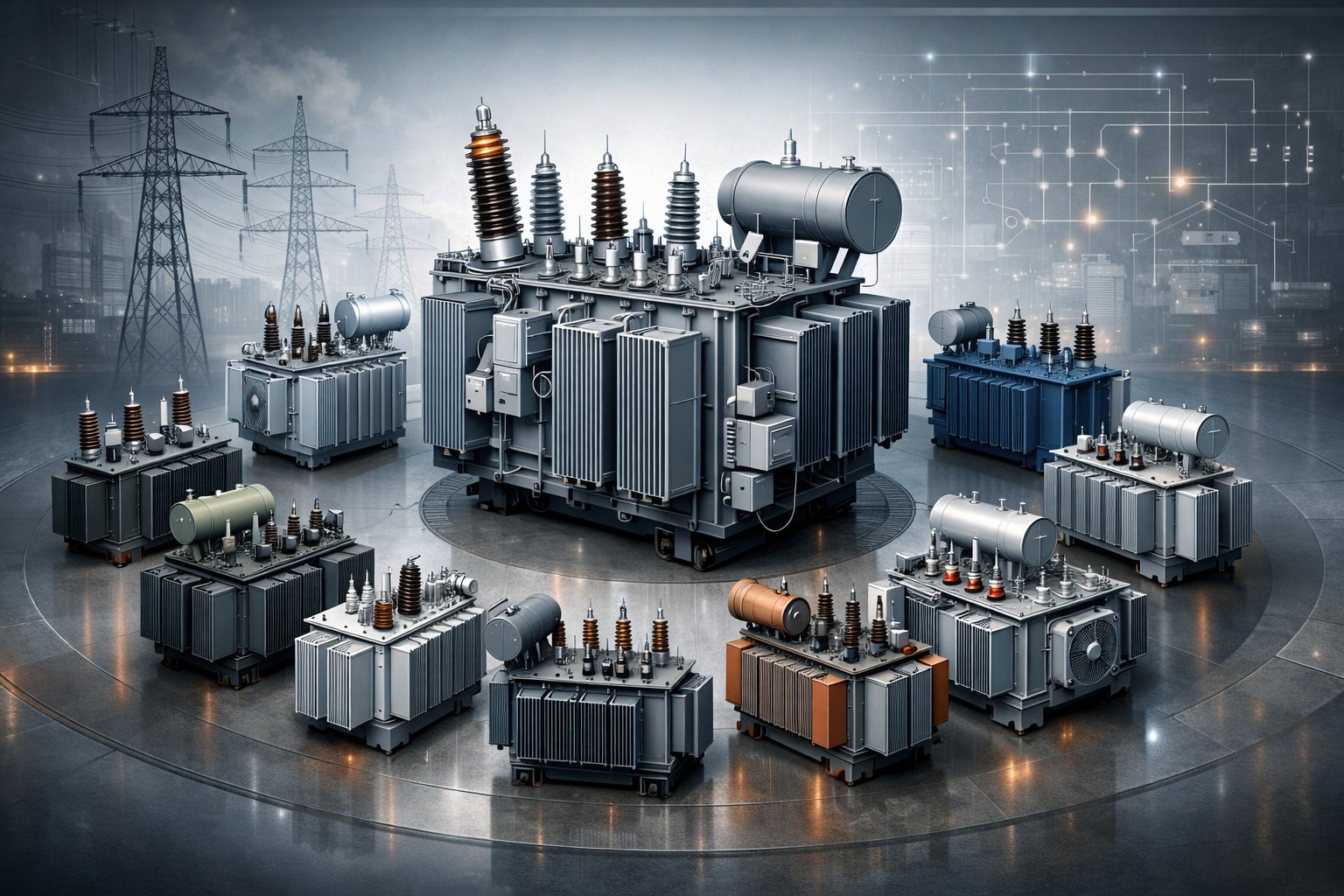
Choosing the right transformer manufacturer for your project isn’t just about ticking boxes. You want a company that balances innovation with reliability.
Leading companies in the transformer industry keep pushing boundaries in smart grid integration and energy-efficient solutions. They serve a mix of sectors—utilities, industrial operations, and renewable energy projects all rely on their expertise.
Your choice of supplier can shape your project’s timeline, costs, and long-term performance. So, let’s look at the world’s top manufacturers, what they specialize in, and what really makes them stand out in this competitive global market.
Key Takeaways
- The top manufacturers blend decades of experience with new technology to deliver reliable power distribution equipment.
- Global leaders keep sustainability, digitalization, and high-voltage innovation at the heart of their strategies.
- To pick the right manufacturer, you need to know their specialties, market reach, and whether they can meet your project’s unique needs.
Leading Power Transformer Manufacturers: Global Top 10
The global transformer industry is shaped by manufacturers from Europe, North America, and Asia. They excel at producing high voltage transformers, distribution transformers, and tailored industrial solutions.
These companies drive progress in sustainability, digitalization, and ultra-high voltage applications. They serve power generation, transmission, and distribution needs all over the world.
ABB Ltd: Innovation and Global Reach
ABB Ltd is one of the most recognized names in transformer manufacturing. They offer a wide range of power transformers—distribution, substation, and high-voltage units for both utilities and industry.
You’ll spot ABB transformers in major power grids across six continents. They specialize in digital transformer tech, enabling remote monitoring and predictive maintenance.
ABB’s transformers cover everything from small pad-mounted units to massive high-voltage models that exceed 1,000 MVA. They focus on energy efficiency, using advanced core materials and smart cooling systems.
The company supports renewable energy projects, industrial facilities, and urban substations. Their global service network handles installation, maintenance, and upgrades for existing transformer setups.
Siemens Energy: Advanced Grid Solutions
Siemens Energy delivers power transformers designed for today’s grid infrastructure and smart grid integration. Their products range from 100 kVA distribution units up to 1,200 MVA power transformers for transmission networks.
Their product line includes:
- High voltage transformers up to 1,200 kV
- Distribution transformers for both urban and rural networks
- Phase-shifting transformers that help stabilize grids
- Mobile transformer units for emergencies
Siemens Energy builds digital monitoring into their transformers using embedded sensors. You can track temperature, oil quality, and load in real time through their cloud-based platforms.
They run manufacturing facilities in Germany, the US, China, and Brazil to serve regional markets efficiently.
General Electric: High-Efficiency Power Transformers
General Electric manufactures power transformers via its GE Vernova energy division. GE transformers have a reputation for reliability in tough industrial and utility settings.
The company produces distribution transformers, substation transformers, and specialized industrial models for mining, oil, gas, and manufacturing. GE’s transformers feature advanced insulation systems that last longer and need less maintenance.
You’ll find their products in power plants, transmission substations, and industrial sites worldwide. They offer ratings from 500 kVA up to over 500 MVA.
GE engineers customize designs for specific voltage and environmental needs. They provide transformers built for extreme temperatures, high altitudes, and even coastal areas with saltwater exposure.
Hitachi Energy: Ultra-High Voltage Expertise
Hitachi Energy leads the field in ultra-high voltage transformer technology for long-distance power transmission. They make transformers rated up to 1,200 kV for both HVDC and HVAC systems.
You benefit from their know-how in reducing transmission losses over hundreds of miles. Hitachi Energy also specializes in transformers for renewable energy integration, connecting offshore wind farms and solar plants to transmission grids.
Their research teams focus on new insulation materials and cooling tech. Hitachi’s portfolio covers distribution, power, and phase-shifting transformers.
They serve utilities, industrial clients, and big infrastructure projects across Asia, Europe, and the Americas. Their manufacturing quality meets international standards for safety and reliability.
Hyundai Electric: Smart Grid Integration
Hyundai Electric blends transformer manufacturing with smart grid technology. The South Korean company produces power transformers with built-in monitoring systems that talk to grid management platforms.
You can use their transformers in digitally controlled substations. Hyundai Electric manufactures distribution, substation, and high-voltage transformers up to 765 kV.
They focus on compact designs that save space in crowded urban settings. Their pad-mounted units work well for underground distribution networks.
The company supplies transformers to utilities throughout Asia and the Middle East. Hyundai Electric stands out for quick delivery times and competitive prices. You can choose between oil-filled and dry-type insulation depending on your needs.
Mitsubishi Electric: Precision and Reliability
Mitsubishi Electric builds power transformers with tight manufacturing tolerances and rigorous quality control. The Japanese manufacturer offers everything from 10 kVA distribution units to 500 MVA power transformers for bulk transmission.
Their transformer designs focus on:
- Low noise levels for residential areas
- High efficiency—often above 99.5%
- Compact footprint for tight spaces
- Long service life thanks to quality materials
You’ll see Mitsubishi Electric transformers in rail systems, industrial plants, and utility substations. They also make specialized transformers for semiconductor plants and data centers that need steady, clean power.
Their engineers provide custom voltage setups and tap arrangements. Mitsubishi Electric runs production facilities in Japan, Thailand, and India, keeping quality consistent across all locations.
Schneider Electric: Sustainable Energy Solutions
Schneider Electric puts environmental sustainability front and center in transformer manufacturing. They build eco-friendly transformers with biodegradable insulating fluids and recyclable materials.
You can meet your power distribution needs and shrink your environmental footprint at the same time. Schneider Electric manufactures distribution transformers, pad-mounted systems, and substation transformers for both utilities and industry.
Their medium voltage transformers serve commercial buildings, hospitals, universities, and factories. You can pick from liquid-filled or dry-type models.
Their EcoDesign approach cuts energy losses during operation. Schneider Electric also offers digital monitoring tools for tracking transformer health and predicting maintenance. They serve customers in over 100 countries, with regional production and service centers.
TBEA: Emerging Market Leadership
TBEA has become one of Asia’s largest transformer manufacturers. The Chinese company makes high-voltage, distribution, and specialized industrial transformers for both domestic and export markets.
You get competitive pricing without losing out on technical specs. TBEA manufactures transformers rated up to 1,000 kV for ultra-high voltage transmission projects.
They supply transformers for major infrastructure—hydroelectric dams, coal-fired plants, and renewable installations. Their production capacity is huge, with thousands of units rolling out each year.
TBEA pours resources into R&D for transformer cores and cooling systems. They operate…
Emerging Trends and Key Technologies in Transformer Manufacturing
The transformer industry is moving fast. Digitalization, sustainable design, and renewable energy technology are all shaking things up.
These changes are forcing manufacturers to rethink energy efficiency, grid reliability, and environmental impact.
Smart Transformers and Digitalization
Smart transformers use digital tech to monitor performance in real time and predict maintenance needs before things go wrong. Built-in sensors and automation keep tabs on voltage, temperature, and load around the clock.
Digital substation technology and transformer health monitoring systems let grid operators react quickly to changes. You get remote access to data, which means you can optimize performance and stretch equipment lifespan.
Smart grid integration needs transformers that “talk” to other grid components. This connectivity boosts grid stability and helps manage electricity transmission and distribution better.
Automation in digital transformers cuts the risk of surprise outages. You’ll see more reliable infrastructure and lower maintenance costs thanks to predictive analytics.
Energy Efficiency and Eco-Friendly Designs
High-efficiency transformers keep energy losses low during power conversion and distribution. Manufacturers now use amorphous core materials that can cut core losses by up to 70% compared to traditional silicon steel.
Eco-friendly transformers use biodegradable insulating fluids made from plant oils, not mineral oils. These sustainable options reduce environmental harm if leaks happen and improve fire safety.
Energy-efficient transformers help you meet tougher regulations while also lowering your operating costs. The demand for distribution transformers that blend performance with environmental care just keeps rising.
Better materials and smarter cooling systems boost efficiency ratings. You’ll notice lower electricity use and fewer carbon emissions across your power network.
Renewable Energy Integration and Grid Modernization
Renewable energy projects need transformers that handle variable outputs from wind and solar. Grid modernization relies on transformers that can manage power flowing both ways as distributed sources feed energy back into the grid.
High-voltage direct current (HVDC) transformers make it possible to transmit renewable energy long distances with minimal losses. You’ll need these solutions to connect remote wind or solar farms to cities.
Compact substations with advanced transformer tech support the growth of renewable energy infrastructure. These systems give the grid the flexibility it needs as energy sources diversify.
Transformers built for renewable energy integration must deal with frequent load swings and still deliver steady output. Your infrastructure gets stronger and more capable of handling the shift to cleaner energy.
Frequently Asked Questions

Power transformer manufacturers face tough choices about technology, sustainability, and regional market shifts. When you’re picking a supplier, you’ll want to look at efficiency ratings, environmental compliance, and a solid track record on big projects.
Which companies lead the global market in power transformer production?
Several major manufacturers dominate the global power transformer industry. ABB, Siemens Energy, and Schneider Electric hold significant market shares across multiple continents.
General Electric and Hitachi Energy also rank among the top producers worldwide. These companies run manufacturing facilities in key regions to serve both local and international markets.
Chinese manufacturers like TBEA and XD Group have expanded their presence in recent years. Their growth shows the rising demand in Asia and developing markets.
What are the factors determining the reliability and efficiency of power transformers from top manufacturers?
Material quality really matters for transformer performance and lifespan. It’s worth seeking out manufacturers who use high-grade electrical steel and copper or aluminum windings.
Design engineering shapes efficiency ratings. Advanced cooling systems and optimized core designs can cut down energy losses during operation.
Testing procedures and quality control standards set the leaders apart. The top power transformer manufacturers run rigorous testing protocols before shipping products.
Manufacturing experience and technical expertise boost reliability. Companies with decades of experience usually refine their processes to minimize defects.
How do regional markets affect the ranking of leading power transformer manufacturers?
Geographic presence shapes manufacturer rankings in different markets. Asian manufacturers often dominate at home thanks to lower production costs and proximity to customers.
European and North American companies keep strong positions in developed markets. They benefit from established relationships with utilities and stricter quality requirements that tend to favor experienced producers.
Emerging markets in Africa and South America open doors for regional players. Local manufacturers sometimes outperform global companies in these areas, probably because they understand local needs better and can deliver faster.
What technological innovations have the leading power transformer manufacturers introduced in recent years?
Digital monitoring systems now let you track performance in real time. Sensors connected to cloud-based platforms monitor temperature, voltage, and oil quality.
Smart transformers use advanced materials to boost efficiency. Amorphous metal cores, for example, can slash no-load losses by up to 70% compared to old-school silicon steel designs.
Modular designs make installation and maintenance quicker. Leading power transformer companies have rolled out standardized components to cut on-site assembly time.
Eco-friendly insulation fluids are replacing the old mineral oils. Biodegradable esters and natural oils lower environmental risks but still keep up performance standards.
How do sustainability and environmental regulations impact the operations of top power transformer producers?
Environmental regulations push manufacturers to cut carbon emissions during production. You’ll notice that leading manufacturers are investing more in renewable energy to power their facilities.
Disposal and recycling requirements now influence design choices. Manufacturers have to think about end-of-life recyclability when picking materials and components.
Energy efficiency standards keep driving product development. The European Union and other regions set minimum efficiency levels, so manufacturers have to keep innovating.
Chemical restrictions limit some materials in transformer production. REACH regulations in Europe and similar laws elsewhere ban certain substances, so manufacturers need to find alternatives.
What are the key considerations when selecting a power transformer manufacturer for large-scale projects?
Your technical specs need to fit the project’s needs—no exceptions. Double-check that voltage ratings, power capacity, and impedance values actually match your grid.
Delivery timelines can seriously mess with your schedule if you don’t plan ahead. Manufacturing and shipping big transformers can take anywhere from a year to a year and a half, which feels like forever when you’re waiting.
After-sales support and warranty terms matter more than people think. Go for manufacturers who offer solid maintenance programs and keep replacement parts on hand—otherwise, you might regret it later.
Financial stability is a must. Dig into the company’s history with similar projects and see if they’ve stuck around to support their clients long-term.
Certification and compliance with local standards aren’t really up for debate. Make sure your manufacturer checks all the boxes for IEC, IEEE, or whatever national standards apply in your area.